

Tax Benefits of Energy Efficiency Upgrades for Landlords
by Stephen Morris CPA, MBT, CCIM
Investing in energy-efficient upgrades for rental properties not only lowers utility costs but also unlocks valuable tax benefits. With the rising cost of energy and growing government incentives, landlords can take advantage of tax deductions, credits, and rebates to offset improvement costs.
As rental property tax accountants we know that understanding how energy-efficient property upgrades impact your tax liability can help you make smart financial decisions while increasing your property’s value.
? Why Energy Efficiency Matters for Rental Properties
Energy-efficient properties attract tenants, lower operating costs, and provide significant tax savings. By investing in upgrades like solar panels, efficient HVAC systems, and smart thermostats, landlords can:
✔️ Reduce monthly utility bills
✔️ Increase property value
✔️ Qualify for federal and state tax incentives
✔️ Appeal to eco-conscious tenants
✔️ Lower maintenance and repair costs
✅ Key Tax Benefits of Energy-Efficient Upgrades
? 1. Energy Efficient Home Improvement Tax Credit (25C)
Landlords making qualifying energy-efficient upgrades may be eligible for a 30% tax credit under the Inflation Reduction Act (IRA).
? What Qualifies?
✔️ Energy-efficient windows & doors ($600 max)
✔️ Insulation upgrades ($1,200 max)
✔️ High-efficiency HVAC systems & heat pumps ($2,000 max)
✔️ Smart thermostats & air sealing improvements
? Tax Credit Limits: The maximum annual credit is $3,200 per taxpayer.
? 2. Residential Clean Energy Credit (Solar & Renewable Energy) (25D)
If you install solar panels, geothermal heating, or wind energy on your rental property, you may qualify for a 30% tax credit on the total installation cost.
? Eligible Upgrades Include:
✔️ Solar panels (rooftop or ground-mounted)
✔️ Battery storage systems (e.g., Tesla Powerwall)
✔️ Geothermal heat pumps
✔️ Small wind turbines
? Bonus Tip: Solar energy improvements increase property resale value and reduce long-term electricity costs.
? 3. 179D Commercial Building Energy Deduction
If you own a multi-family rental property (4+ units), you may qualify for the 179D tax deduction for energy-efficient commercial buildings.
? How It Works:
✔️ Deduction up to $5 per square foot for energy-efficient lighting, HVAC, and insulation
✔️ Must reduce total energy consumption by at least 25% compared to standard buildings
✔️ Applicable to new construction & major renovations
? Tip: Work with an energy consultant to ensure your property meets the IRS energy efficiency standards.
? 4. Section 179 Expensing for Energy-Efficient Equipment
Under Section 179, landlords can immediately deduct the cost of qualifying energy-efficient equipment instead of depreciating it over time.
? What Qualifies?
✔️ HVAC systems (air conditioners, furnaces, heat pumps)
✔️ Energy-efficient water heaters
✔️ Smart home automation & energy monitoring systems
✔️ Commercial-grade LED lighting
? Example: If you install a $15,000 high-efficiency HVAC system, you can deduct the full cost in the year of purchase instead of depreciating it over several years.
? 5. Utility Rebates & State-Level Incentives
Many states and utility companies offer cash rebates and additional tax incentives for energy-efficient upgrades.
? Examples of State & Local Programs:
✔️ California: Rebates for ENERGY STAR-certified appliances & insulation upgrades
✔️ New York: Solar energy tax credits & property tax exemptions
✔️ Texas: Utility company cash rebates for energy-efficient HVAC systems
✔️ Florida: Property tax reductions for renewable energy improvements
? Check the Database of State Incentives for Renewables & Efficiency (DSIRE) to find incentives in your state.
? Financial Benefits of Energy Efficiency for Landlords
? Lower Operating Costs & Higher Rents
✔️ Reduced electricity, heating, and cooling expenses
✔️ Attract high-quality tenants willing to pay a premium for energy savings
✔️ Fewer maintenance issues with efficient HVAC and lighting systems
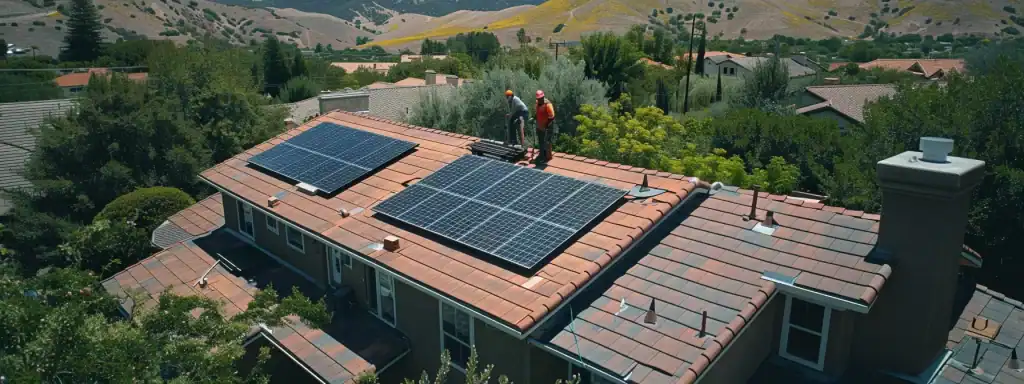
? Example: A landlord who installs solar panels can cut monthly electricity bills by 40-60%, increasing net income.
? Increased Property Value & Market Appeal
✔️ Higher resale value with energy-efficient certifications
✔️ Improved tenant retention (eco-conscious renters prefer sustainable housing)
✔️ Properties with green certifications sell 5%–10% higher than non-efficient homes
? Tip: Consider ENERGY STAR or LEED certification for added credibility and marketing appeal.
? Faster Payback on Energy Investments
Many energy-efficient upgrades pay for themselves through:
✔️ Tax credits & rebates reducing upfront costs
✔️ Lower utility bills offsetting improvement costs
✔️ Higher property value increasing ROI on sale
? Example: Installing a $10,000 heat pump with a $2,000 federal tax credit plus a $1,500 state rebate reduces the net cost to $6,500, paying for itself in 3-5 years.
? Final Thoughts: Maximize Tax Savings on Energy-Efficient Upgrades
Upgrading your rental property with energy-efficient improvements is a win-win strategy—it reduces operating costs, attracts tenants, and qualifies for substantial tax credits & deductions.
✔️ Key Takeaways:
✅ Claim up to 30% tax credits for solar panels, HVAC upgrades, and insulation
✅ Deduct energy-efficient equipment under Section 179
✅ Qualify for state & utility rebates to lower costs further
✅ Benefit from lower bills & higher property value
? Tax planning is key! Work with a CPA or tax professional to ensure you maximize your deductions and credits for energy-efficient upgrades.
Tell us what you own, and where you're headed.
RENTAL PROPERTY TAX STRATEGY